 pre.dev blog
BenchmarksOct 9, 2026
Muse can't shop Amazon anymore. Claude Code can, 1.8x faster and 1.6x cheaper with pre.dev
Amazon blocked Meta's Muse. A local agent in your own Chrome is a different story: with the open source pre.dev MCP, Claude Code hunted the deals left after Prime Day 1.8x faster and 1.6x cheaper than with Claude in Chrome, and every price it cited checked out. Try it with one command.

Most read


Latest
-
 Benchmarks
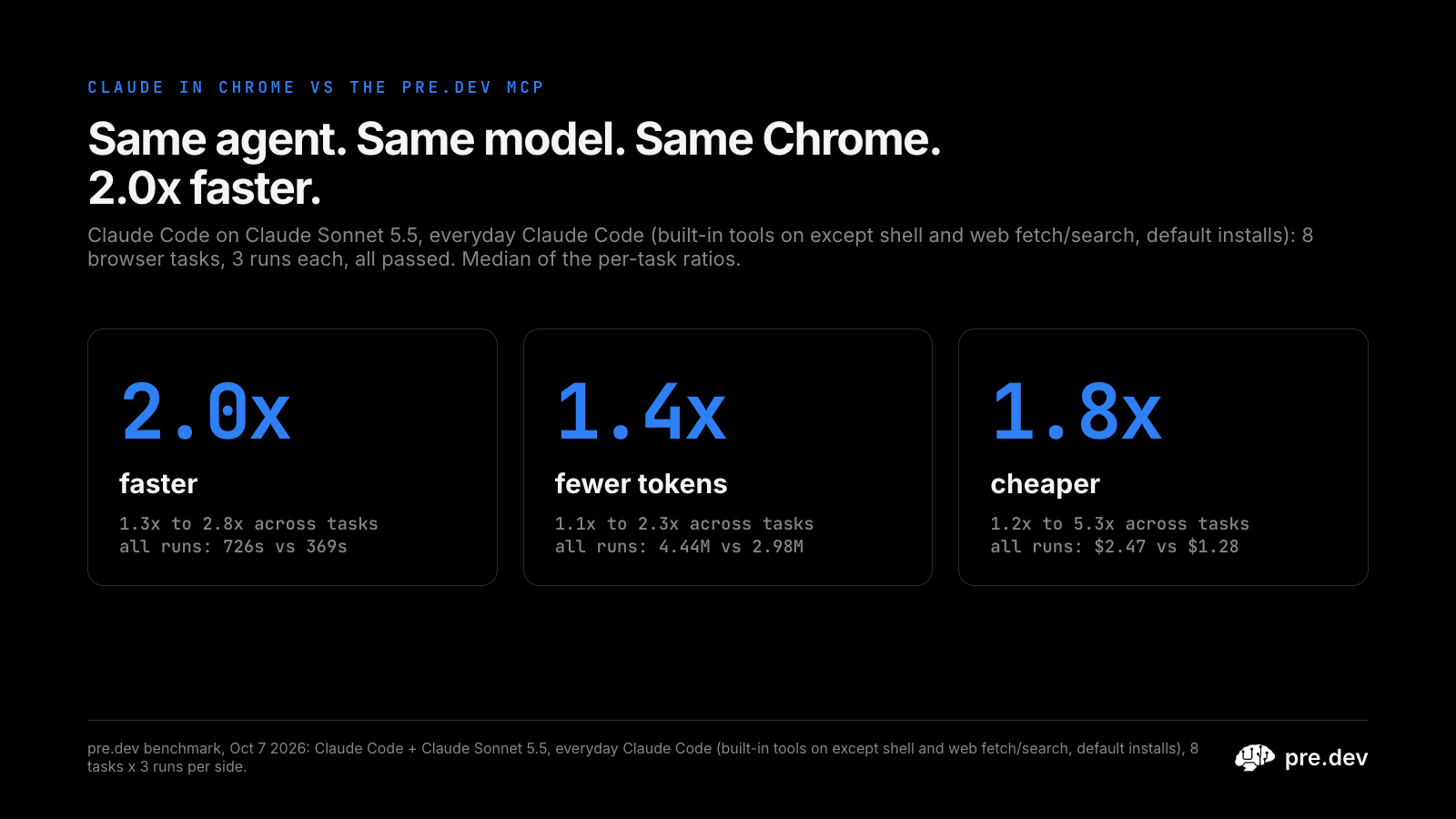
We made Claude Code 2x faster and 1.8x cheaper in Chrome
Same agent, same model, same Chrome. Swapping Claude in Chrome for the open source pre.dev MCP, which we built with pre.dev, made Claude Code 2x faster and 1.8x cheaper on browser tasks in our tests. Here's the data, and how to set it up in Claude Code, Codex, Hermes, Pi or any other agent.
-
 Product
Make Your Restaurant Menu Remember Your Guests with Authentication
Guests forget the wine they loved. We gave our digital menu user accounts so they don't have to remember. No auth provider signup, no keys, no passwords. Here's the build, from sign-in to a saved order history.
-
 Product
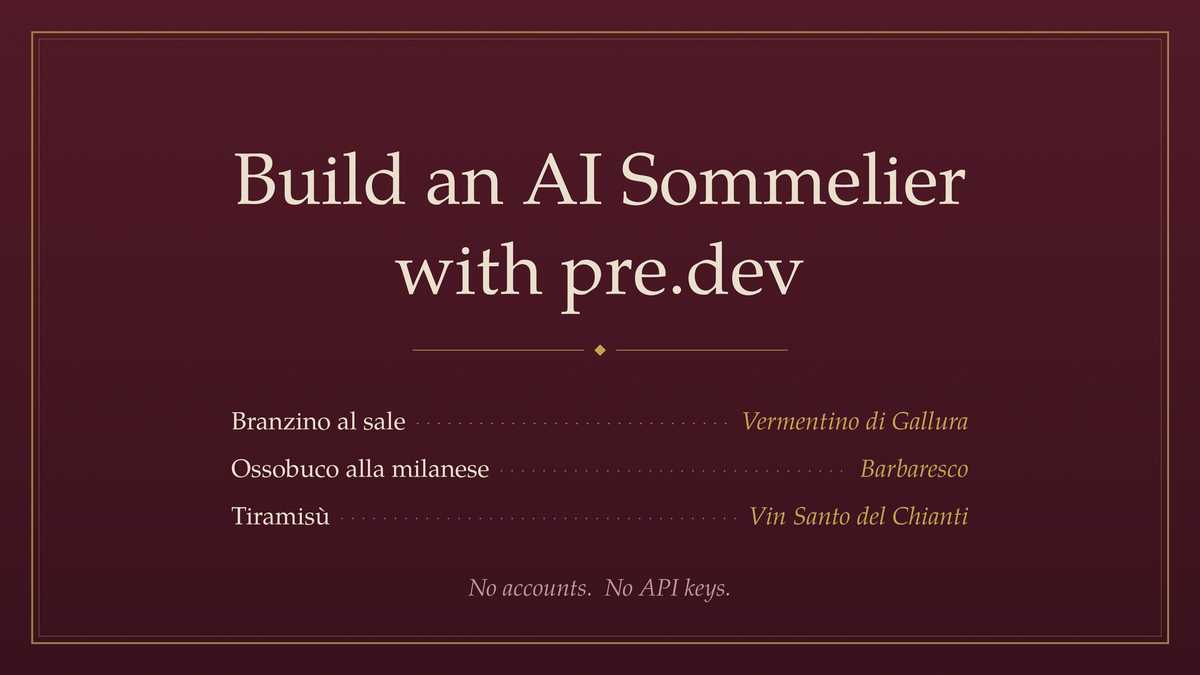
Build an AI Sommelier with pre.dev
Our digital menu needed a wine recommendation. The old way means an account, an API key and a file full of secrets before you write a line of feature code. With native AI, none of that exists. Here's the sommelier build, from a bigger wine list to a real recommendation.
-
 Product
Replit vs Lovable vs pre.dev: A Practical Comparison
A restaurant owner beat a developer to shipping a digital menu. But that test used one tool. So we handed the same brief to the three platforms people actually choose between: Replit, Lovable and pre.dev and took each to a live URL on a free tier. Here's where they diverged.
-
 Labs
LabsRL Tasks: Where the reward went
Two tasks from a catalog of real commits rebuilt as graded RL environments. In both, the models did recognizable, competent work and scored close to nothing — and in both, the reason turned out to have almost nothing to do with whether they understood the problem.
-
 Product
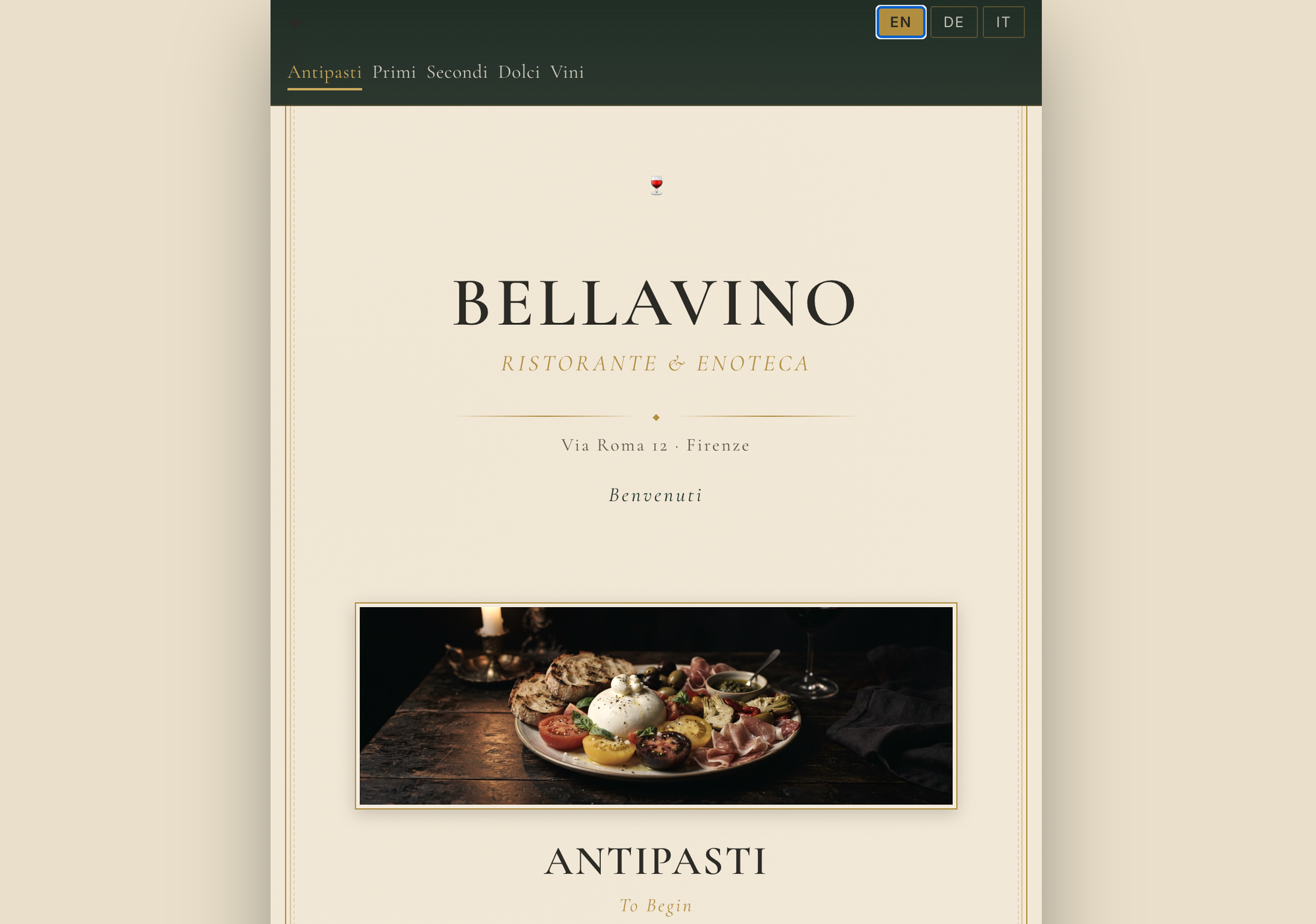
Can a restaurant owner beat a developer to shipping a digital menu?
A friend asked me to build a digital menu for his restaurant. Instead of opening my IDE, I tested whether he could do it himself: no code, no setup, one plain-English prompt. Three minutes and forty seconds later, the menu was live. Here's the full run.
-
 Labs
LabsMost “Frontier” Coding Tasks Are Useless for RL [Part 2]
How do long-horizon RL environments actually scale coding agents? In Part 2, pre.dev Labs breaks down custom GSPO, treating SFT as a rescue operation, and how catching bad signal early cut training costs by 5x–7x while quadrupling Terminal-Bench 3.0 scores.
-
 Labs
LabsMost “Frontier” Coding Tasks Are Useless for RL [Part 1]
Do long-horizon RL tasks move the needle for coding agents? pre.dev Labs trained Qwen3.8-27B on ~100 frontier tasks, boosting its Terminal-Bench 3.0 score from 1/74 to 4/74. Here is how we built the environments and scaled agent performance.
-
 Product
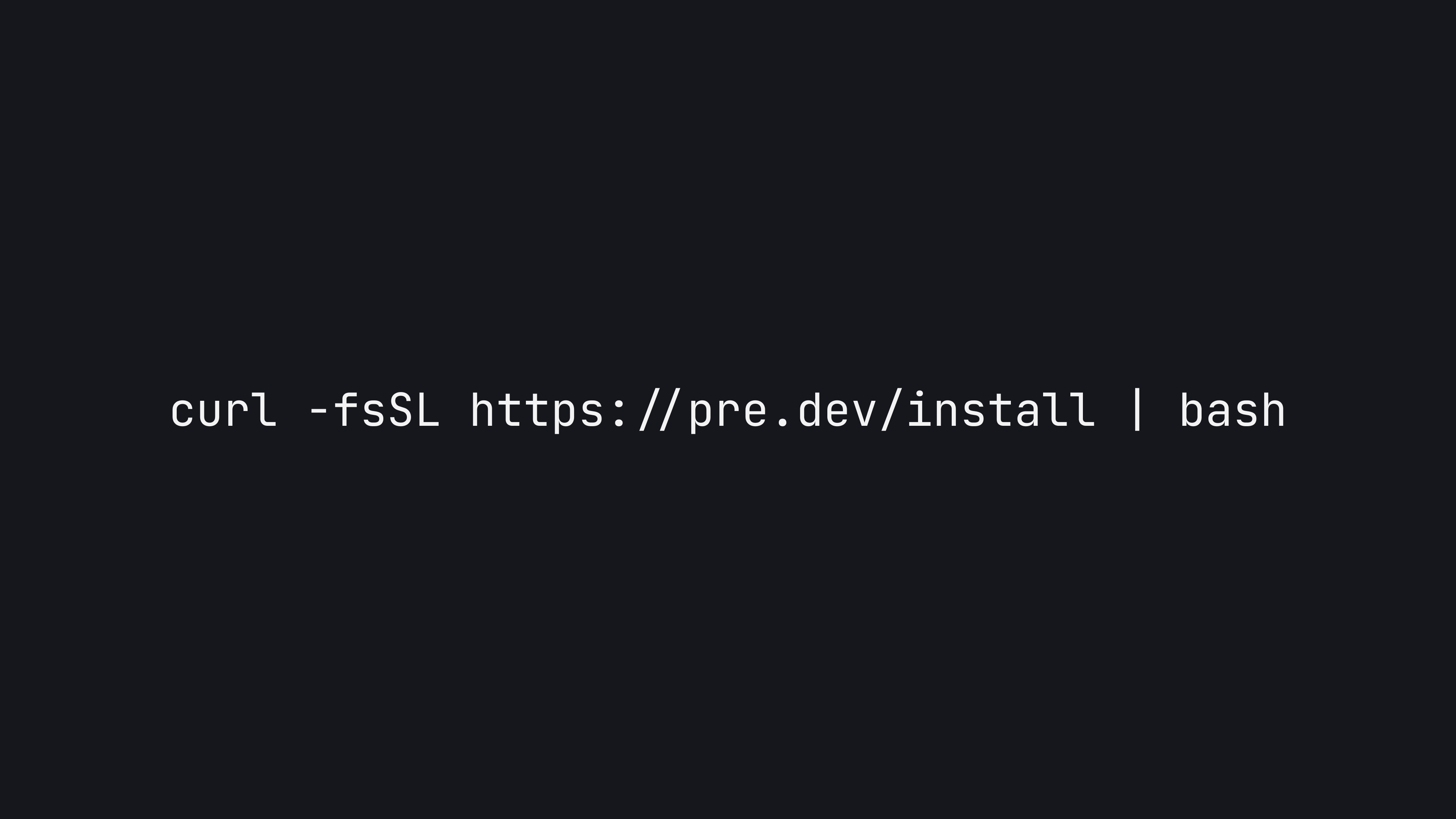
NEW: Bring predev to Your Terminal with Our CLI
We just launched the pre.dev CLI! Bring our coding agents directly into your terminal to read, edit, and execute code on your local repos. Run parallel sprints, manage architectures, and move fast without leaving your command line.
-
 Product
DEEP DIVE: Long-Horizon Builds with Cloud Sandboxes
Most AI coding assistants live in your local IDE, forcing you to babysit execution. pre.dev runs in isolated cloud sandboxes with parallel sub-agents, spinning up your entire tech stack, holding state, self-verifying code, and running builds safely without breaking local setup.
-
 Product
Mastering the predev Coding Agent: Your Complete Guide to Slash Commands
Master your predev coding agent with our complete guide to slash commands! Learn how to dial in AI effort, assign models per phase, integrate third-party tools, and run multi-hour builds on autopilot.
-
 Product
NEW: Granular Control with Effort Selection and Model Picker
We just launched Effort Selection and the Model Picker in pre.dev Sprints. You can now control workflow depth with /effort, pin LLMs tiers to specific execution phases with /model, or toggle Pro Mode for maximum output quality.
-
 Product
NEW: Build Your Project in predev Sprints
We introduced predev Sprints, allowing you to group tasks into a single coding agent session. Queue items from your Kanban board, run custom tasks with /sprint, and maintain tighter control over your build process before switching to Autopilot.
-
 Product
NEW: In-Line Media Generation
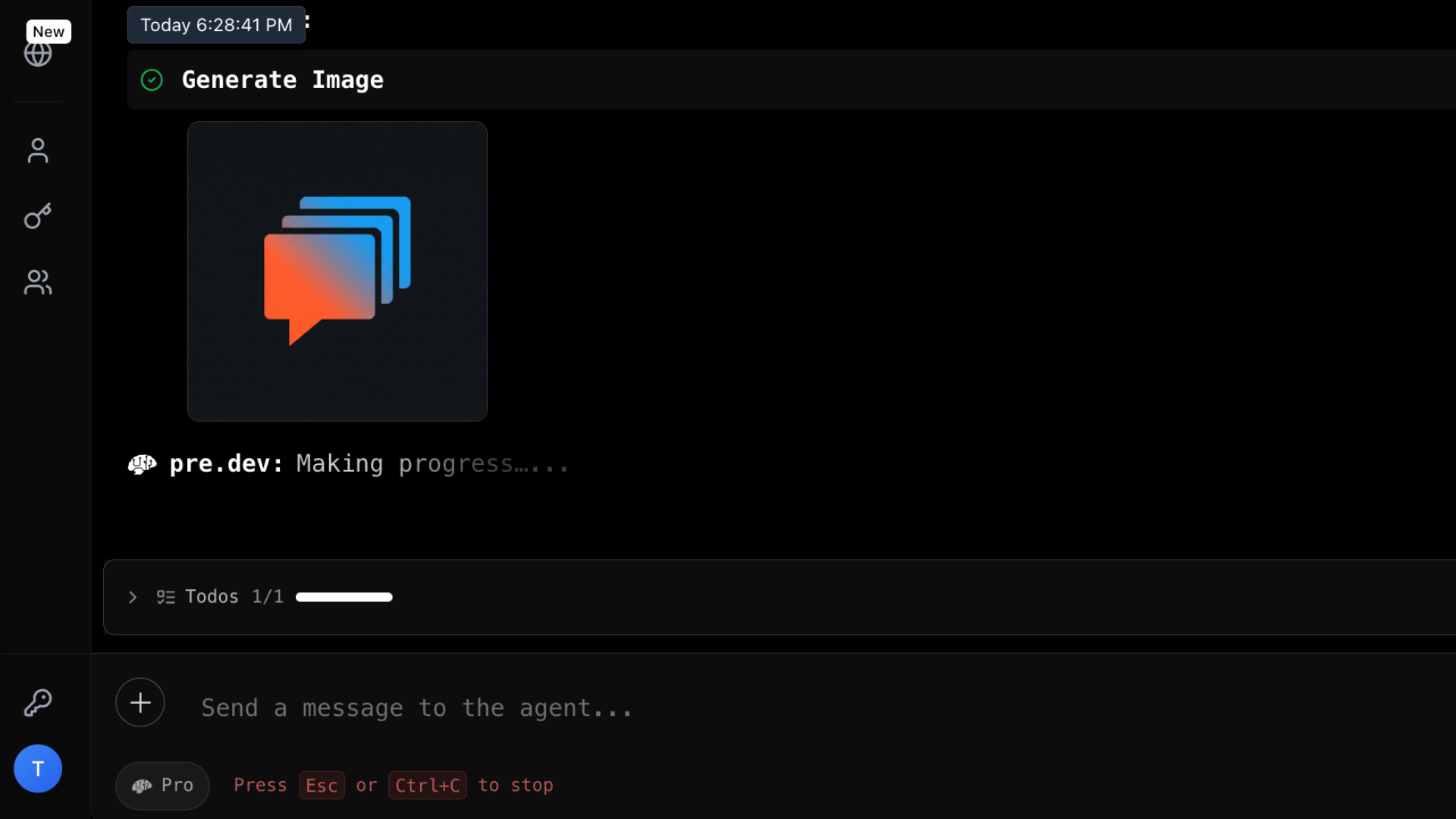
We just launched native media generation inside the predev coding agent workflow. You can now generate images, video, speech, and music in-line without leaving your workspace or manually uploading third-party assets.
-
 Product
The Control Plane: Steering your Agents
Stop jumping straight into code. To ship production-grade software with AI agents without endless refactoring, you need a control plane. Here is how to use predev to decompress raw ideas into an autonomous, parallelized agent execution pipeline.
-
 AI
AIThe High-Agency Guide to Token Efficiency
AI adoption is a given, but skyrocketing token costs aren’t. Learn how high-agency engineering teams use infrastructure and multiplayer culture to drive true token efficiency.
-
 Product
NEW: Multi-Session Builds
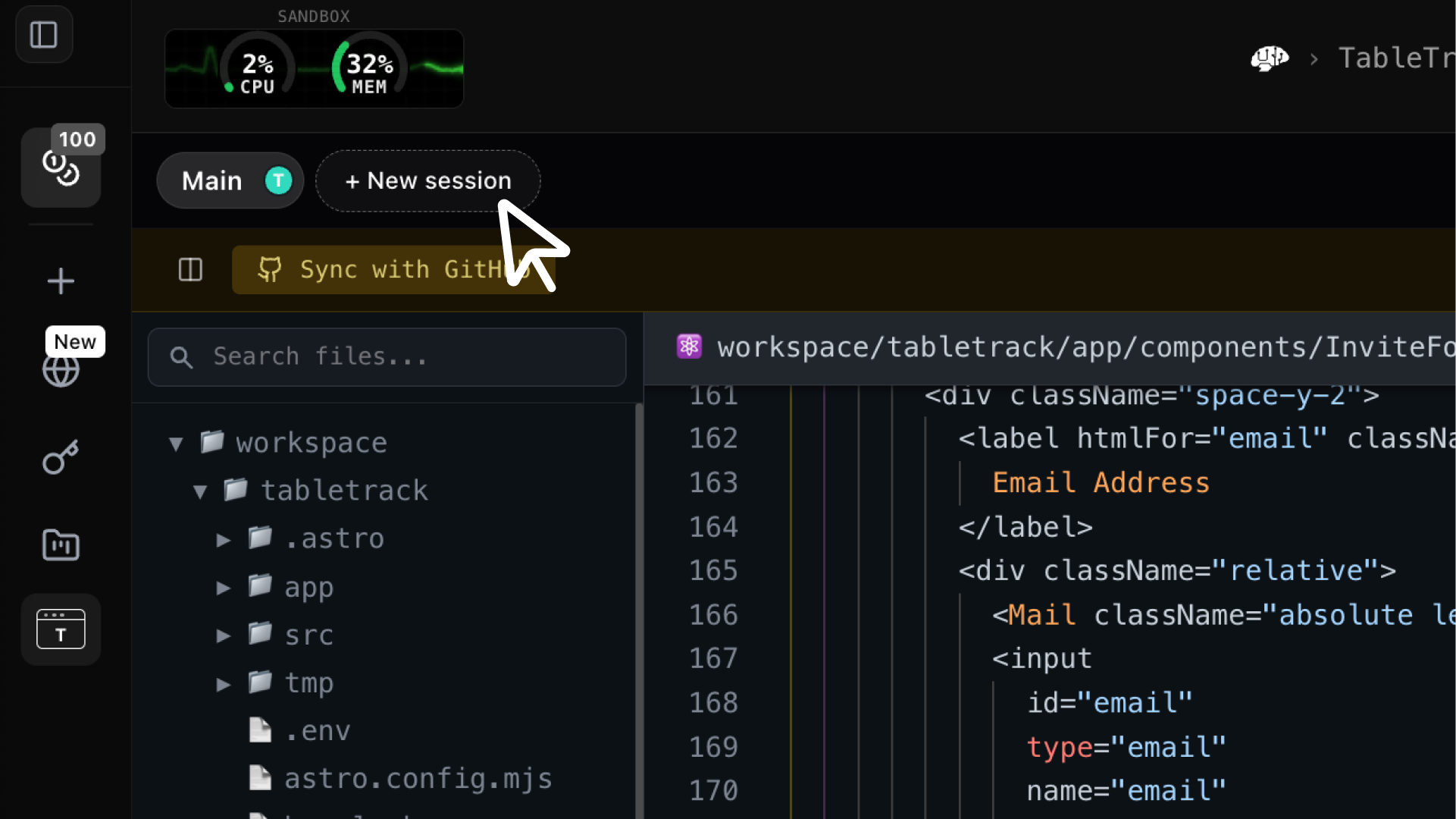
We just shipped Multi-Session Builds. You can now delegate engineering tasks to independent, isolated coding agent sessions simultaneously on a single project.
-
 AI
AIThe unconventional path to stumbling on the best seed architecture for recursive self-improvement
The race for recursive self-improvement is on. How we combined long-horizon planning with coding agents to outpace the biggest frontier labs in AI.
-
 AI
AIIntelli-Gents Podcast Episode 7: Breaking the model cost continuum
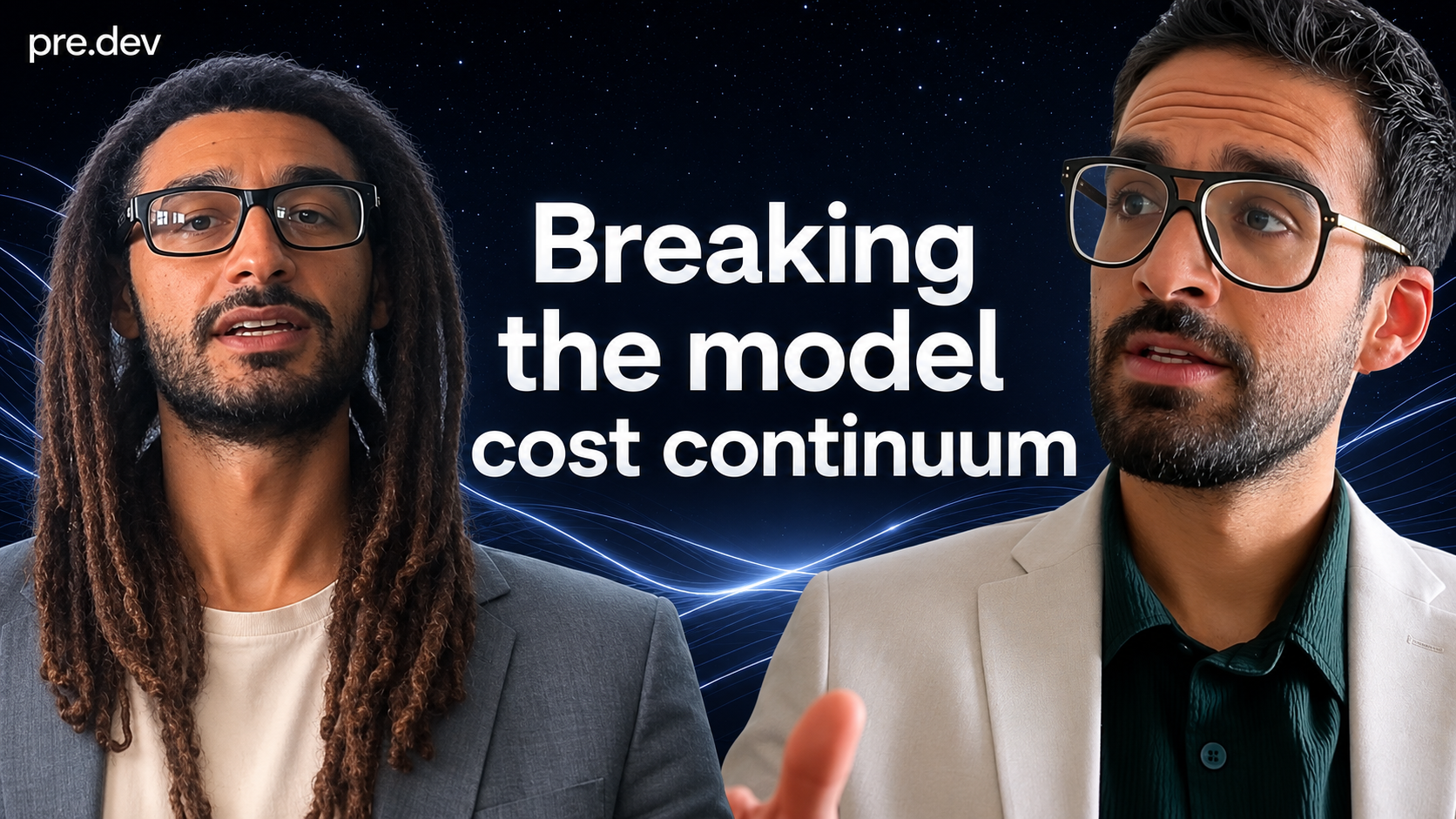
In Episode 7 of The Artificial Intelli-Gents, Adam and Arjun sit down to dissect a massive shift in the coding agent race. If you’re tired of "tokenmaxxing" your budget away, this episode is for you.
-
 AI
AIThe Reason Everyone Around You Is Shipping (And You Aren’t)
Intimate knowledge of a real-world problem beats a perfect tech stack every time. AI agents can automate the code, but they can't find the Why. The future belongs to builders who prompt for human outcomes, not technical features.
-
 Labs
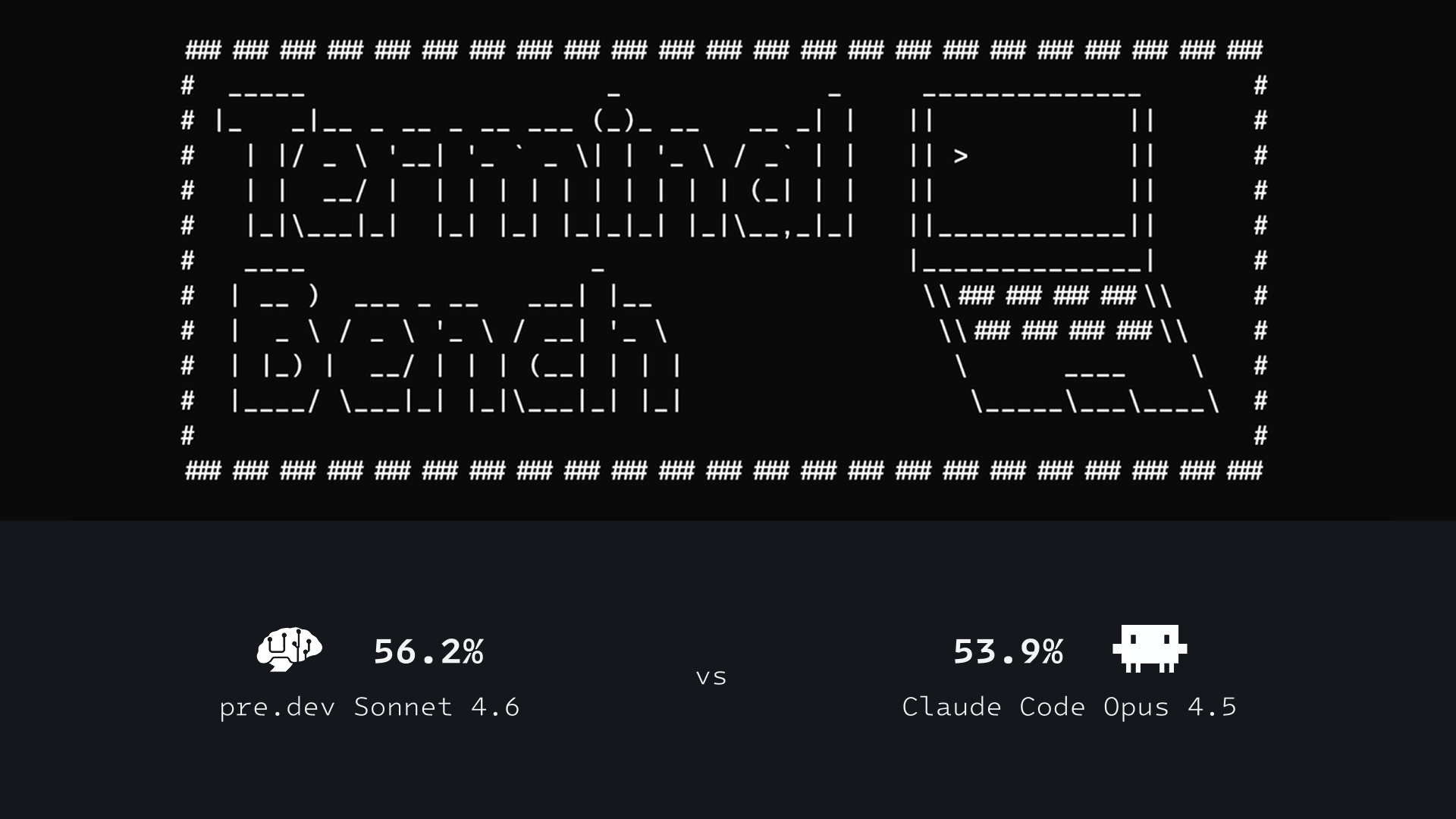
LabsHow We Beat Claude Opus with a Smaller Model.
Stop burning tokens on brute force. If you’re using coding agents but seeing diminished ROI, this breakdown is for you.
-
 Browser Agents
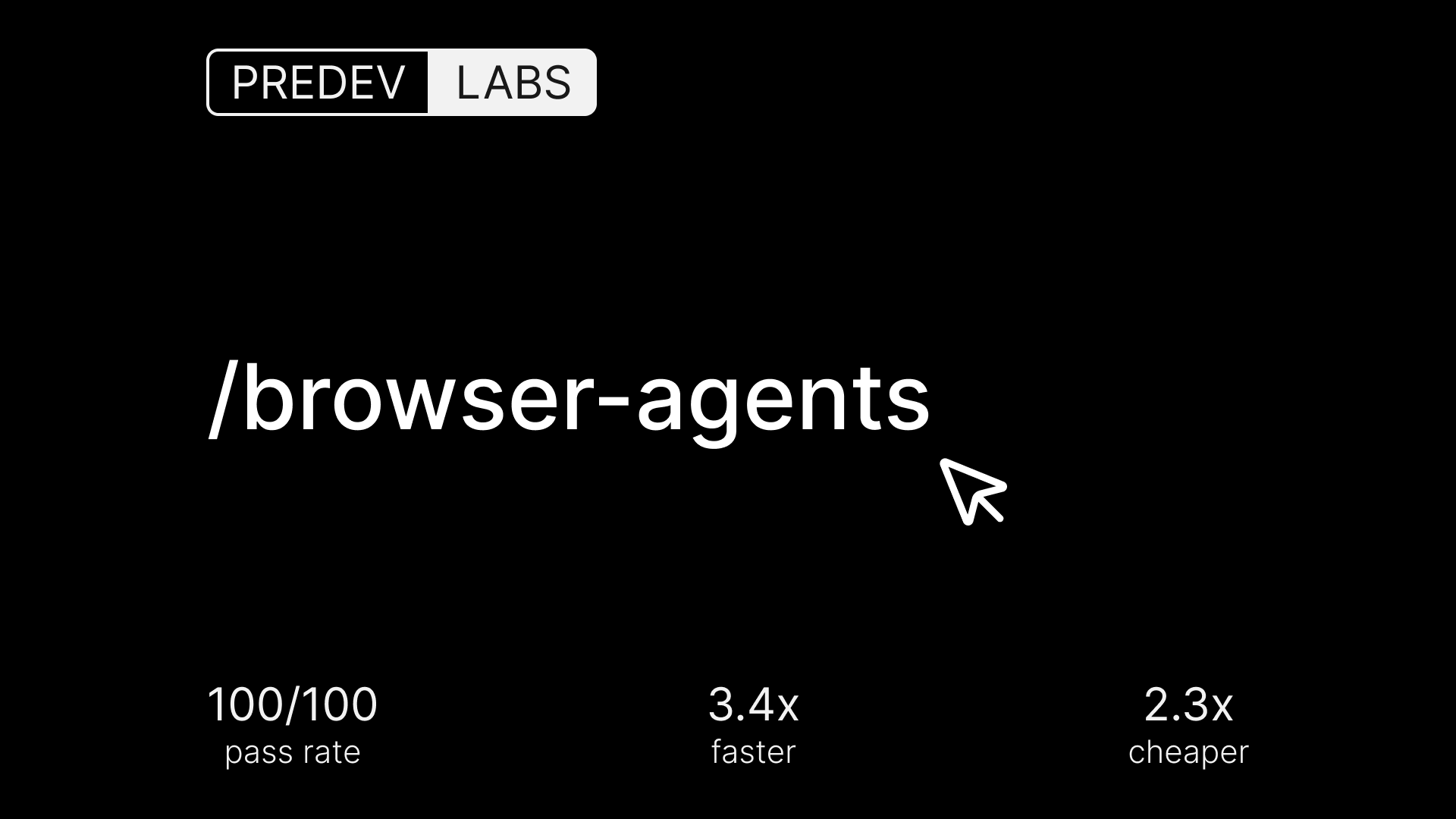
pre.dev Browser Agents: Our First Labs Project is 3.4x Faster and 2.3x Cheaper Than Browser-Use
Introducing pre.dev labs browser agents. We are sharing our benchmark performance & some exciting use cased form our early access customers.
-
 AI
AIFrontier labs won't build good harnesses. Their incentives won't let them.
Here's the problem nobody at Anthropic or OpenAI wants to say out loud: you can't build a token-efficient harness when your entire business model depends on burning tokens.Anthropic just committed…
-
 AI
AISelf-Driving Agentic Engineering: The End of Coding Agent Amnesia
In February 2026, Andrej Karpathy quietly retired the term he'd made famous. A year after coining "vibe coding" in a throwaway tweet that got 4.5 million views, he reframed the future as something…


Get new posts by email
New posts from pre.dev.